
Virus-drug combination supercharges anti-tumor immune response
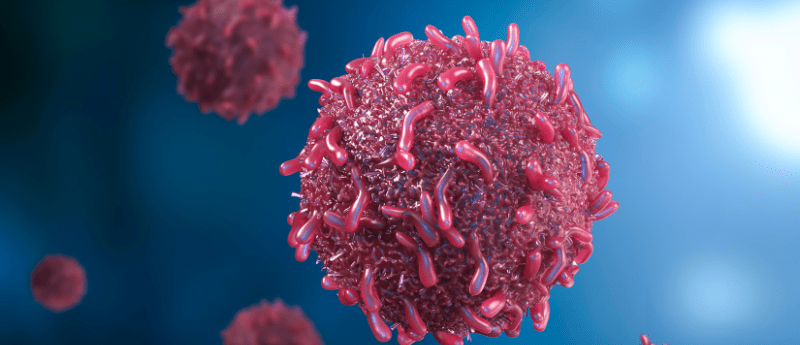
Combining oncolytic viruses with targeted drugs enhances immune-driven cancer cell destruction.
Researchers at The Institute of Cancer Research (ICR; London, UK) have discovered that combining cancer-killing viruses with targeted drugs dramatically boosts immune responses against tumors. The research team, led by Kevin Harrington (London, UK), demonstrated this innovative combination therapy triggers powerful immune activation and cancer cell death in both laboratory cells and mice. These findings, published in two studies in Nature Communications, show how reprogramming tumor responses to stress signals can unlock new potential from existing drugs.
Current cancer treatments often struggle to effectively engage the immune system. While oncolytic viruses have shown promise, only one such therapy has received approval for widespread use. Similarly, targeted drugs such as PARP inhibitors and CDK4/6 inhibitors have specific applications but are limited to certain cancer types with specific genetic profiles.
 Oncolytic viruses: challenges and considerations in an evolving clinical landscape
Read about the prospects of oncolytic viruses in early clinical development in this article from Future Oncology.
The research team identified two drugs, talazoparib (a PARP inhibitor) and palbociclib (a CDK4/6 inhibitor), that powerfully enhance reovirus, a naturally occurring virus that selectively infects cancer cells with weakened defenses. Through laboratory testing and molecular analyses, they discovered each drug works differently to boost the virus’s cancer-killing effects.
Talazoparib disrupts cancer cells’ defenses by inhibiting PARP-1, triggering stronger cell death and immune activation. Palbociclib enhances reovirus-induced stress, making cancer cells more visible to the immune system. Both combinations significantly shrank tumors in mouse models and showed evidence of enhanced immune system engagement.
“These findings show how we can harness the body’s own immune defenses by combining oncolytic viruses with targeted drugs,” commented Joan Kyula-Currie, co-first author and Senior Scientific Officer at ICR. “By understanding the molecular interaction between stress pathways and immune sensors, we can design smarter, more effective cancer treatments.”
This research represents a significant advancement in cancer therapy. Both talazoparib and palbociclib are already approved for certain cancers, particularly breast cancer, while the reovirus strain is currently under clinical investigation. By combining these therapies, researchers have found a way to potentially extend their benefits to a broader range of cancer types.
“This work highlights the power of combining virotherapy with targeted drugs that modulate the tumor environment – unlocking entirely new ways to kill cancer,” explained Victoria Roulstone, co-first author and Senior Scientific Officer at ICR. “It’s an exciting step toward more personalized and immune-driven cancer treatments.”
The research team is now exploring how these combinations could be tested in early-phase clinical trials, potentially alongside immune checkpoint inhibitors. This innovative approach could transform cancer treatment by harnessing the body’s own immune defenses, potentially overcoming current limitations and offering new hope for patients with difficult-to-treat cancers.