
Study reveals how cigarette smoke toxins drive pancreatic tumor growth
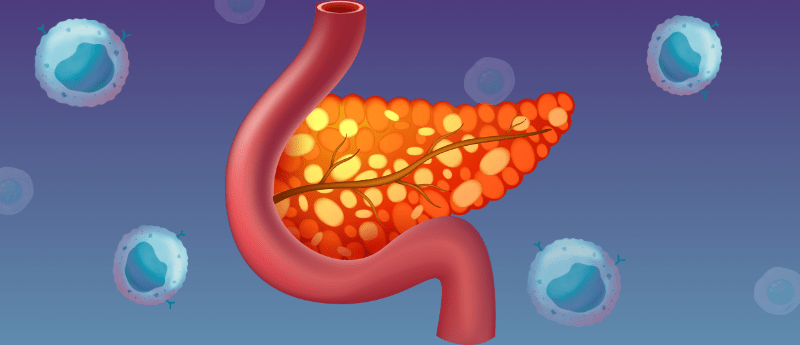
Research has revealed chemicals found in cigarette smoke directly drive pancreatic cancer growth through IL22–mediated T–reg production.
A team from the University of Michigan Health Rogel Cancer Center (MI, USA) has uncovered a mechanism by which smoking leads to a higher chance of developing pancreatic cancer and worsens cancer outcomes. Toxins found in cigarette smoke led to the release of the protein interleukin-22 (IL22), which plays a role in producing T-regulatory immune cells (T-regs).
Pancreatic cancer is an aggressive form of cancer, with complete remission being very rare. Although smoking is known to be a major risk factor for this cancer type, the exact mechanism is yet to be understood. Previous work had indicated that IL22 may play a role in the pancreatic cancer tumor microenvironment.
In this study, a team led by Timothy L. Frankel, Rogel and Blondy Center for Pancreatic Cancer (MI, USA), sought to understand how cigarette smoke and other environmental toxins impacted IL22. They discovered that immunosuppressed mice didn’t develop tumors in response to toxin exposure, which confirmed the mechanism involved the immune system, rather than separate to it.
Uncovering the link between IL22 and T-regs
The team revealed that IL22 is involved in producing T-regs, which have previously been implicated in autoimmune disorders – but not pancreatic cancer. They also reported that smokers with pancreatic cancer had more T-regs than nonsmokers. Their results were confirmed in human immune cells and cells from pancreatic cancer patients.
“It dramatically changed the way the tumors behave. They grew much bigger, they metastasized throughout the body. It was really quite dramatic,” explained Frankel. “These T-reg cells have the ability to both make IL22 but also massively suppress any antitumor immunity. It’s a two-pronged attack. When we eliminated all the T-reg cells from these mice, we reversed the entire ability of the cigarette chemical to let the tumor grow.”
New targets for new treatments
Inhibiting the cigarette chemicals was effective in shrinking tumors, so the researchers hope this work lays the foundation for new, more effective drugs that block particular toxins or signaling pathways.
“If we are able to inhibit the super suppressive cells, we might also unlock natural antitumor immunity. This could be even further activated by current immunotherapies, which do not work well in pancreatic cancer because of the immunosuppressive environment.
There’s a potential that we need to treat smokers who develop pancreatic cancer differently. We may also need to screen smokers more closely for pancreatic cancer development. There is not a great screening mechanism, but people who smoke should be educated about symptoms to look out for and consider referrals to a high-risk clinic,” Frankel concluded.
 Moving beyond hope: laying the groundwork for a new era in pancreatic cancer innovation
Read this opinion article, which highlights the importance of mobilizing all parties to prepare for a new era in pancreatic cancer care.