
Sarclisa shines in a clinical study, offering hope for newly diagnosed multiple myeloma patients
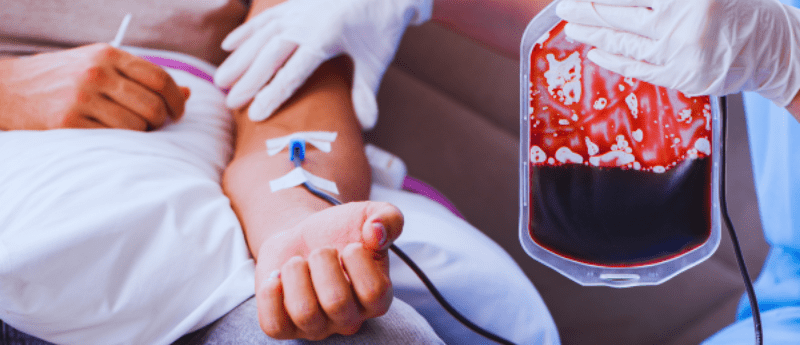
A Phase III study reveals that newly diagnosed, transplant-eligible multiple myeloma patients showed markedly extended progression-free survival (PFS) with the use of Sarclisa® (isatuximab).
The German-speaking Myeloma Multicenter Group (GMMG; Heidelberg, Germany) has unveiled new findings from their two-part, double-randomized Phase III clinical study (GMMG-HD7) on first-line drug treatment for multiple myeloma (MM). The results demonstrated that Sarclisa, in combination with lenalidomide, bortezomib and dexamethasone (RVd), significantly prolonged PFS in transplant-eligible, newly diagnosed MM patients. Whilst rare, MM remains incurable leading to high relapse rates. This study is among six that have demonstrated positive outcomes for Sarclisa in treating MM.
Sarclisa (isatuximab) is a monoclonal antibody targeting the CD38 receptor on multiple myeloma cells. It’s mechanism of action is varied and can induce tumor cell death (apoptosis) and immunomodulatory activity.
When administered with RVd over an 18-week treatment period, Sarclisa demonstrated a statistically significant and clinically meaningful reduction in disease progression or death compared to RVd alone.
Hartmut Goldscmidt, President of GMMG, Professor of Medicine at the Heidelberg University Hospital (Germany), and Principal Investigator of the study stated that, “successful induction therapy is one of the most critical components to reduce the relapse or recurrence risk in patients with newly diagnosed multiple myeloma.”
 The more the better? Quadruplets in newly diagnosed multiple myeloma
Ola Carl Landgren discusses potential of quadruplet therapies in newly diagnosed multiple myeloma in this interview.
Study details
GMMG-HD7 enrolled 662 patients who were newly diagnosed with MM and were transplant-eligible. In the first part of the study, patients were randomly assigned to receive three 42-day cycles of RVd, either in isolation or combined with Sarclisa. In the second part, patients were re-randomized post-transplant to receive either Sarclisa plus lenalidomide or lenalidomide alone as maintenance therapy. Weekly intravenous infusions of Sarclisa in 10 mg/kg doses were administered for 4 weeks and then every other week for the rest of the induction period.
Numerous ongoing Phase III clinical trials are evaluating Sarclisa in combination with current standard treatments and the use of Sarclisa with RVd remains experimental, having not yet been approved by regulatory agencies.
Dietmar Berger, Chief Medical Officer and Global Head of Development at Sanofi (Paris, France) stated: “These data build upon our belief that Sarclisa has the potential to be a best-in-class CD38 therapy that could improve long-term outcomes versus the standard-of-care for certain patients. We look forward to the full data presentation and continuing our mission of helping make a meaningful difference for people living with multiple myeloma.”