
Infants with congenital heart defects may be at higher risk of cancer, study suggests
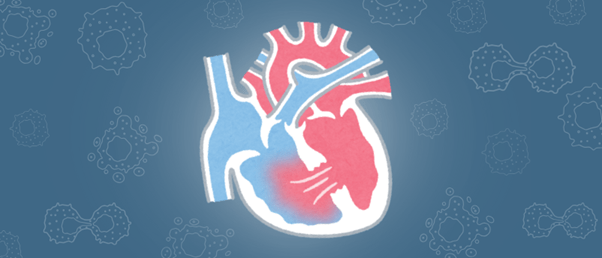
Newborns with a congenital heart defect and their mothers may be at an increased risk of cancer.
Researchers from Sungkyunkwan University (Seoul, Korea) have conducted a study into newborns with congenital heart defects (CHD) and their mothers to uncover if an increased risk of cancer exists. The results of this study demonstrated a higher incidence of cancer in both newborns with CHD and their mothers, suggesting the need for further research into factors affecting epigenetics.
CHD, ranging from structural abnormalities of the heart to severe malformations, affects 12 in every 1000 infants, making them the most common birth defect in the USA. While advances in medicine have allowed for increased survival for infants and children with heart defects, research suggests that CHD may put them at an increased risk of developing cancer.
Several studies have been conducted into the risk of cancer in newborns with CHD, but they have included residual confounders, particularly maternal factors. Therefore, this study aimed to investigate the risk of newborns with CHD developing cancer, controlling for potential maternal factors, as well as looking into the risk of new cancer onset in their mothers.
The researchers used the mother-child linked cohort from the Korean National Health Insurance Service database to analyze health information of more than 3.5 million live births from 2005–2019. The incidence of cancer in both newborns with CHD and mothers was followed from the date of birth, for an average of 10 years.
The results of the analysis revealed a 66% higher incidence of cancer in newborns with CHD compared to those born without a heart defect. Newborns with vessel lesions or an isolated valve had a 2.29 times higher incidence of cancer. Further to this, in the 10-year follow-up period, mothers who gave birth to newborns with CHD, were 17% more likely to be diagnosed with cancer compared to mothers who gave birth to newborns without CHD.

Cancer diagnosis delays in pregnant women
Misinterpretation of cancer symptoms as pregnancy-related symptoms can lead to delays in diagnosing and treating cancer during pregnancy.
“The genetic variants inherited from the mother may provide the necessary environment for cancer to develop in congenital heart defect patients, highlighting a possible shared genetic pathway underlying both conditions,” commented study author June Huh.
The findings highlight that a multidisciplinary care team may be beneficial to ensure well-rounded care for families with CHD. Additionally, the study suggests further research is required into why having a baby with a congenital heart disease is associated with an increased risk of cancer in mothers, to determine if any environmental or epigenetic factors are involved.
“There is some data that suggests stress is related to cancer risk, and having a child with a congenital heart defect can be very stressful. So having studies that investigate and demonstrate all the links between cancer and congenital heart defects will help us understand lifelong risks of not only heart defects but also the development of cancer within families,” stated Keila Lopez (Texas Children’s Hospital, Baylor College of Medicine, TX, USA).