
Are we doing enough to treat cancer pain? The urgent need for action in oncology practice
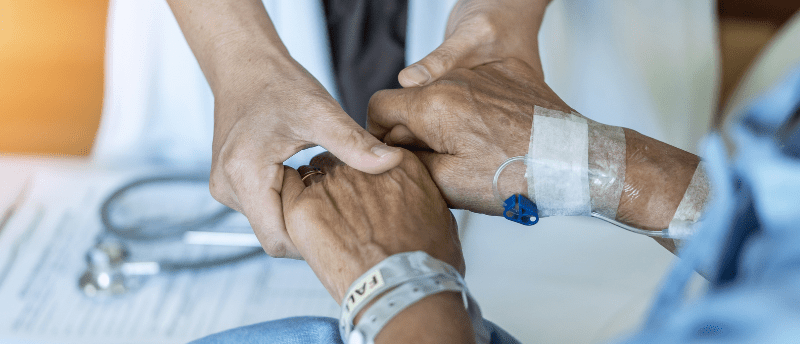
Cancer pain remains a significant challenge, affecting nearly half of cancer patients globally, with approximately 30% experiencing moderate-to-severe intensity. Despite established guidelines and available treatments, patients continue to receive insufficient and poorly standardized pain care. This editorial, published in Future Oncology, examines the persistent barriers to effective cancer pain management, highlighting the critical need for enhanced education, standardized assessment tools, and multidisciplinary collaboration.
Abstract
Pain is a debilitating symptom of cancer and a major cause of concern for patients. According to a recent meta-analysis, almost half of cancer patients worldwide experience pain and 30.6% declare pain of moderate-to-severe intensity. The prevalence of pain increases in patients with advanced, metastatic, or terminal cancer, with some studies reporting rates exceeding 70%. Pain can be one of the initial signs of the disease, prompting further investigation that may lead to diagnosis. Cancer pain arises from various sources, including the disease itself and its treatment. It can be broadly categorized as disease-related (e.g., tumor infiltration), treatment-related (from surgery, chemotherapy, radiotherapy, or hormonal therapy), and procedure-related. These pain types often overlap and evolve during the disease course, requiring ongoing, individualized assessment. Patients often perceive pain as a sign of cancer progression, contributing to increased fear and impaired quality of life (QoL), emotional wellbeing and physical functioning. Severe pain may lead to reduced intensity of treatments, eventually undermining their efficacy and negatively influencing survival. Integrating palliative care early during the treatment process could help improve patient outcomes, including survival, mood and QoL. This editorial aims to draw attention to the persistent issue of cancer pain mismanagement and to promote reflection and discussion around practical and systemic solutions.